
Why Delivery Speed Matters More Than Ever in Modern Logistics

How Businesses Can Scale Faster with Third-Party Delivery Services
March 2, 2026
Why Businesses Are Choosing On-Demand Courier Services
March 16, 2026
In today’s fast-moving digital economy, customer expectations are evolving faster than ever. Consumers no longer want to wait several days to receive their orders. Instead, they expect products to arrive quickly, safely, and with complete transparency throughout the delivery process. Because of this shift in consumer behavior, delivery speed has become one of the most critical factors in modern logistics.
Businesses across industries — from e-commerce and retail to healthcare and food services — are recognizing that faster deliveries are no longer a luxury. They are a competitive necessity. Companies that prioritize delivery speed can significantly improve customer satisfaction, increase repeat purchases, and strengthen their overall brand reputation.
As urban areas continue to grow and online shopping expands, the ability to deliver products quickly has become a major differentiator for businesses. Understanding why delivery speed matters and how companies can improve it is essential for long-term success in the logistics and delivery services industry.
The Growing Demand for Faster Deliveries
Over the past decade, the rapid growth of online shopping has dramatically changed how customers interact with businesses. With the rise of same-day delivery, next-day shipping, and instant order tracking, consumers have become accustomed to receiving products quickly.
Modern shoppers often make purchasing decisions based on how fast they can receive their items. If delivery takes too long, they may choose a competitor that offers faster service.
Several factors have contributed to the increasing importance of delivery speed:
-
The expansion of e-commerce platforms
-
Increased urbanization and dense city populations
-
Higher customer expectations for convenience
-
Advances in logistics technology
-
Competitive pressure among businesses
Because customers now have more choices than ever, businesses that fail to prioritize fast delivery risk losing potential sales.
How Delivery Speed Influences Customer Satisfaction
Customer satisfaction is closely tied to the overall buying experience. While product quality and pricing are important, the delivery process plays a major role in shaping how customers perceive a brand.
When deliveries arrive quickly and reliably, customers feel confident in the company’s ability to meet their needs. This builds trust and encourages repeat purchases.

On the other hand, slow or delayed deliveries can lead to frustration and disappointment. Customers who experience poor delivery performance may leave negative reviews or choose not to purchase from the business again.
Fast delivery offers several benefits for customer satisfaction:
-
Reduced waiting time for orders
-
Improved reliability and convenience
-
Greater trust in the brand
-
Higher likelihood of repeat purchases
Businesses that consistently provide fast and dependable deliveries often build stronger relationships with their customers.
Delivery Speed and Competitive Advantage
In competitive markets, even small advantages can make a big difference. Delivery speed is one of the most powerful ways businesses can stand out from competitors.
When customers compare different companies offering similar products, the speed of delivery often becomes the deciding factor. Businesses that offer faster delivery options can attract more customers and increase their market share.
For example, companies that provide same-day or next-day delivery services are often able to capture customers who need products urgently. This can be particularly important in industries such as electronics, healthcare, and grocery delivery.
Faster delivery also helps businesses maintain a positive reputation. Companies known for quick and reliable service are more likely to receive positive word-of-mouth recommendations.
The Role of Efficient Logistics in Improving Delivery Speed
Achieving fast delivery requires a well-organized logistics system. Businesses must carefully coordinate several factors to ensure orders reach customers as quickly as possible.
Some of the most important elements of efficient logistics include:
Route Optimization
Delivery companies use advanced routing technology to identify the fastest and most efficient routes for drivers. This helps reduce travel time, fuel consumption, and delays caused by traffic congestion.
Strategic Distribution Centers
Placing warehouses or distribution centers closer to customers can significantly reduce delivery times. Many businesses now use multiple fulfillment centers to serve different regions more efficiently.
Skilled Delivery Teams
Experienced drivers and riders who understand local routes and traffic conditions can complete deliveries faster and more efficiently.
Real-Time Tracking Technology
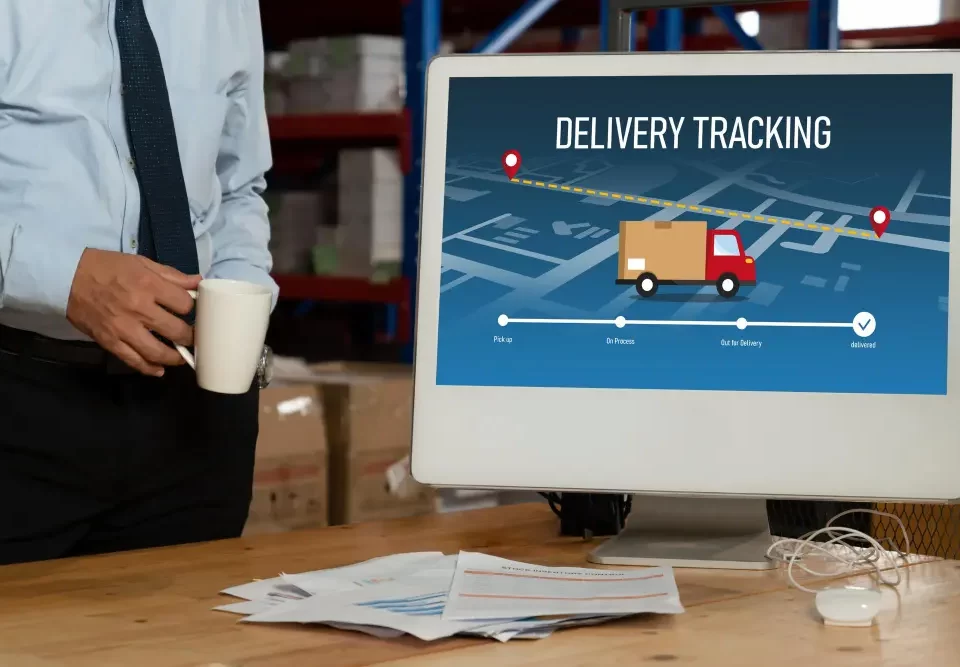
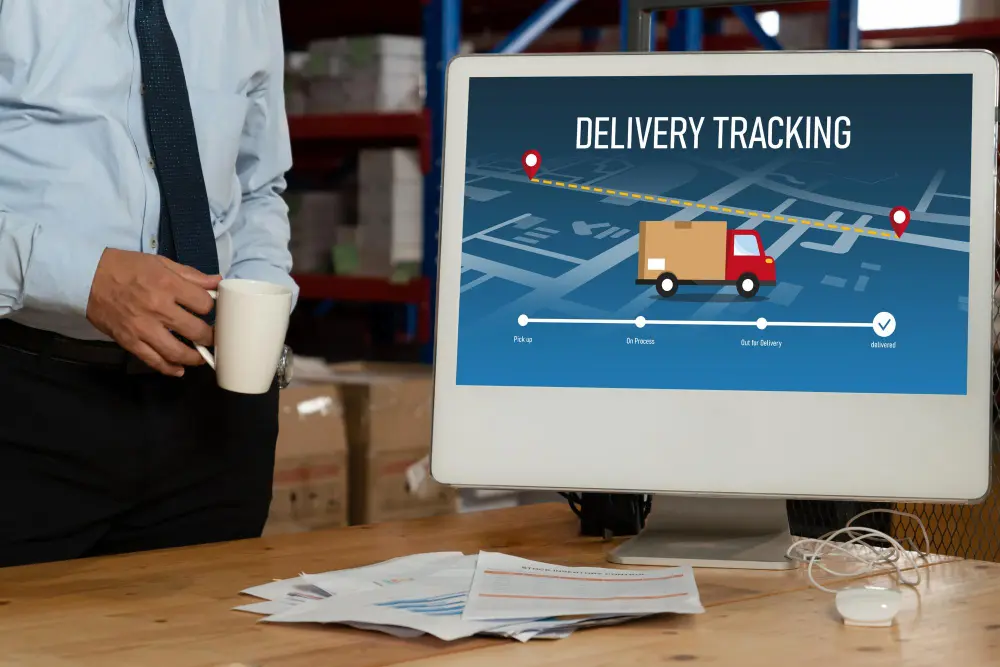
Modern tracking systems allow businesses and customers to monitor deliveries in real time. This improves transparency and helps logistics teams quickly resolve potential issues.
By investing in these strategies, companies can improve delivery speed while maintaining reliability and cost efficiency.
The Importance of Last-Mile Delivery
One of the most critical stages in the delivery process is the last mile — the final step where the product travels from the distribution center to the customer’s doorstep.
The last mile is often the most complex and expensive part of the logistics chain. Traffic congestion, inaccurate addresses, and customer availability can all create delays.
Improving last-mile delivery efficiency is essential for increasing overall delivery speed. Many delivery service providers rely on bike riders and two-wheeler fleets to navigate busy city streets quickly.
Bike-based delivery systems are particularly effective in urban environments because they can move through traffic more easily than larger vehicles. This allows businesses to complete more deliveries in less time.
How Technology Is Accelerating Delivery Speed
Technology has played a major role in transforming the logistics industry. Advanced tools and digital platforms allow delivery companies to operate faster and more efficiently than ever before.
Some of the technologies that are improving delivery speed include:
-
Artificial intelligence for route optimization
-
GPS tracking systems for real-time location updates
-
Automated dispatch systems for faster order assignment
-
Data analytics for demand forecasting
-
Mobile apps for driver communication
These technologies allow logistics providers to identify inefficiencies, streamline operations, and ensure deliveries are completed as quickly as possible.
Businesses that embrace modern logistics technology gain a significant advantage in meeting customer expectations for fast service.
The Impact of Delivery Speed on Business Growth
Fast delivery does more than satisfy customers — it also supports long-term business growth.
Companies that prioritize delivery speed often experience several positive outcomes:
-
Higher conversion rates for online purchases
-
Increased customer loyalty
-
More positive online reviews
-
Greater brand credibility
-
Improved operational efficiency
When customers know they can rely on a company for quick deliveries, they are more likely to return for future purchases.
Fast delivery also helps businesses capture impulse purchases. Customers who need products urgently are more likely to buy from companies that offer quick shipping options.
Over time, these advantages can significantly increase revenue and strengthen the company’s position in the market.
The Role of Professional Delivery Services
Many businesses partner with professional delivery providers to improve delivery speed and efficiency. These companies specialize in logistics and have the experience, infrastructure, and technology needed to manage complex delivery operations.
Professional delivery services often offer features such as:
-
Same-day delivery solutions
-
Bike rider fleets for urban deliveries
-
Optimized delivery routes
-
Advanced tracking systems
-
Scalable logistics support
By outsourcing delivery operations to experienced providers, businesses can focus on their core activities while ensuring customers receive their orders quickly.
This approach allows companies to scale their operations without the challenges of managing their own delivery fleet.
Challenges Businesses Face in Maintaining Fast Delivery
While fast delivery offers many benefits, it can also present certain challenges. Businesses must carefully balance speed, cost, and operational efficiency.
Some common challenges include:
-
Traffic congestion in urban areas
-
Rising fuel and transportation costs
-
Managing high order volumes during peak seasons
-
Ensuring consistent delivery quality
-
Maintaining accurate inventory levels
Overcoming these challenges requires careful planning, efficient logistics management, and strong partnerships with reliable delivery providers.
Companies that successfully address these challenges are better positioned to maintain fast and reliable service.
The Future of Delivery Speed
As technology continues to evolve, delivery speed is expected to improve even further. Innovations such as automated delivery systems, electric bikes, and advanced logistics software will help businesses complete deliveries faster while reducing environmental impact.
Consumers will likely continue to expect faster and more convenient delivery options. Businesses that invest in efficient logistics systems and delivery partnerships will be better prepared to meet these expectations.
In the future, delivery speed will remain a key factor influencing customer loyalty and purchasing decisions.
Conclusion
Delivery speed has become one of the most important factors in modern logistics. As customer expectations continue to rise, businesses must adapt by improving their delivery systems and ensuring orders reach customers as quickly as possible.
Fast deliveries lead to higher customer satisfaction, stronger brand reputation, and increased business growth. By investing in efficient logistics strategies, modern technology, and reliable delivery partnerships, companies can successfully meet the growing demand for quick and dependable service.
In today’s competitive market, businesses that prioritize delivery speed will not only satisfy their customers but also gain a lasting advantage over competitors.