
How Businesses Can Scale Faster with Third-Party Delivery Services

Why Express Delivery Is Becoming Essential for Modern Businesses
February 23, 2026
Why Delivery Speed Matters More Than Ever in Modern Logistics
March 9, 2026
Scaling a business is exciting — but it also comes with serious operational challenges. As order volumes increase and customer expectations grow, companies often struggle to manage logistics efficiently. Delivery operations become more complex, costs rise, and internal teams feel overwhelmed. This is where third-party delivery services play a transformative role.
Instead of investing heavily in building and managing an in-house fleet, businesses are increasingly partnering with specialized delivery providers to handle their logistics. This approach not only reduces operational burden but also enables faster, smarter, and more sustainable growth.
In today’s competitive market — especially in fast-paced urban environments — third-party delivery services have become a strategic growth tool rather than just a support function.
What Are Third-Party Delivery Services?
Third-party delivery services refer to outsourced logistics providers that manage the transportation of goods on behalf of a business. These services can include:
-
Last-mile delivery
-
Middle-mile transportation
-
Same-day and express deliveries
-
Scheduled or on-demand shipments
-
Bike and two-wheeler courier services
-
Warehouse-to-store distribution
Instead of managing drivers, vehicles, routing, and delivery tracking internally, businesses partner with experts who specialize in efficient logistics operations.
This partnership allows companies to focus on their core strengths — product development, marketing, and customer service — while the delivery partner ensures smooth and timely shipments.
Why Scaling Becomes Challenging Without a Delivery Partner
When businesses grow, logistics complexity increases. What worked for 20 daily orders often fails at 200 or 2,000 orders per day.
Common challenges include:
-
Hiring and managing delivery riders
-
Purchasing and maintaining vehicles
-
Handling fuel and maintenance costs
-
Planning optimized delivery routes
-
Managing peak season demand
-
Ensuring timely deliveries
-
Handling customer delivery inquiries
Managing all of this internally can slow down growth instead of supporting it.
That’s why more companies are turning to third-party delivery services as a scalable solution.
How Third-Party Delivery Services Enable Faster Business Growth
1. Immediate Scalability Without Heavy Investment
Building an in-house delivery fleet requires:
-
Vehicle purchases
-
Insurance coverage
-
Maintenance management
-
Hiring and training staff
-
Dispatch and routing systems
These upfront investments can be costly and risky.
Third-party delivery services eliminate this burden. Businesses can scale operations up or down depending on demand without long-term financial commitments.
During peak seasons, additional delivery capacity can be activated quickly. During slower periods, costs decrease accordingly.
This flexibility supports rapid and sustainable growth.
2. Reduced Operational Costs With Third-Party Delivery Services
Managing delivery internally can be expensive. Costs include fuel, vehicle maintenance, staff salaries, tracking systems, and administrative oversight.
By outsourcing logistics, businesses convert fixed costs into variable costs. They only pay for the deliveries completed.
Third-party delivery services often operate at scale, meaning they can optimize routes, reduce fuel consumption, and maximize rider productivity more efficiently than individual businesses.
This cost efficiency improves overall profit margins.
3. Access to Delivery Expertise
Professional delivery companies specialize in logistics. They understand:
-
Route optimization
-
Urban traffic navigation
-
Efficient dispatch systems
-
Safe package handling
-
Customer communication
-
Time-sensitive deliveries
By partnering with experienced providers, businesses gain access to operational expertise without building it from scratch.
This improves delivery reliability and enhances customer satisfaction.
4. Improved Last-Mile Efficiency
The last mile is often the most complex and expensive stage of delivery. Traffic congestion, incorrect addresses, and customer unavailability can create delays and additional costs.
Third-party delivery services are equipped with:
-
Skilled riders familiar with local routes
-
Real-time tracking systems
-
Smart dispatch technology
-
Two-wheeler and bike fleets for urban efficiency
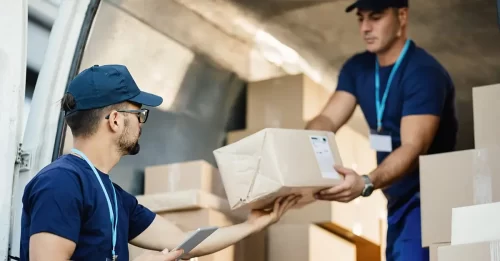
Bike delivery solutions, in particular, are highly effective in busy city environments. They navigate traffic easily and complete deliveries faster than larger vehicles.
Improved last-mile efficiency directly enhances the customer experience.
5. Faster Market Expansion
When businesses want to expand into new areas or cities, logistics can become a major barrier.
Establishing a new delivery network requires:
-
Local hiring
-
Fleet expansion
-
Route planning
-
Regulatory compliance
With third-party delivery services, expansion becomes significantly easier. Established delivery partners often already operate in multiple regions, allowing businesses to expand quickly without setting up new infrastructure.
This accelerates market entry and supports aggressive growth strategies.
6. Enhanced Customer Experience
Customer experience doesn’t end at checkout — it continues until the product is delivered.
Reliable third-party delivery services offer:
-
Real-time tracking
-
Accurate delivery timelines
-
Professional rider behavior
-
Fast and secure parcel handling
When deliveries arrive on time and in good condition, customers develop trust in the brand.
Consistent delivery performance leads to:
-
Positive reviews
-
Repeat purchases
-
Higher customer lifetime value
-
Stronger brand reputation
Delivery reliability directly influences long-term business success.
7. Better Focus on Core Business Activities
Managing logistics can distract businesses from what truly drives growth. Instead of spending time on:
-
Coordinating riders
-
Managing vehicle breakdowns
-
Solving delivery disputes
-
Handling fuel management
Businesses can focus on:
-
Marketing strategies
-
Product innovation
-
Customer service
-
Strategic partnerships
-
Revenue growth initiatives
Outsourcing delivery operations allows companies to prioritize high-impact growth activities.
Industries That Benefit Most from Third-Party Delivery Services
Many industries rely heavily on outsourced delivery solutions.
E-Commerce
Online retailers need fast, reliable, and scalable delivery networks to meet customer expectations.
Retail Stores
Brick-and-mortar stores offering online ordering benefit from professional delivery support.
Food and Grocery Businesses
Speed and freshness are critical. Third-party delivery ensures efficient fulfillment.
Healthcare and Pharmaceuticals
Time-sensitive medical supplies require reliable and secure transportation.
Corporate and Document Services
Confidential files and urgent contracts must be delivered promptly and professionally. In each of these industries, third-party delivery services provide operational strength and scalability.
Technology Integration and Data Insights
Modern delivery providers leverage advanced technology to optimize performance.
Key features often include:
-
GPS tracking systems
-
Automated dispatch platforms
-
Route optimization software
-
Performance analytics dashboards
-
Delivery confirmation systems
These tools provide valuable data that businesses can use to improve operations, forecast demand, and identify growth opportunities. Data-driven logistics improves both efficiency and transparency.
Risk Reduction Through Outsourcing
Running an in-house fleet carries operational risks such as:
-
Vehicle accidents
-
Regulatory compliance issues
-
Staff turnover
-
Rising fuel prices
-
Unexpected maintenance costs
Third-party delivery services absorb much of this operational risk. Professional providers manage insurance, compliance, and workforce challenges, reducing stress and uncertainty for partner businesses.
This stability supports long-term scaling.
The Role of Two-Wheeler and Bike Delivery in Scaling
Urban growth and traffic congestion have made two-wheeler delivery solutions increasingly important.
Benefits include:
-
Faster navigation through traffic
-
Lower fuel consumption
-
Reduced maintenance costs
-
Environmentally friendly operations
-
Faster turnaround times
Businesses that integrate bike-based third-party delivery services gain speed and cost efficiency — both critical for scaling.
Choosing the Right Third-Party Delivery Partner
Not all delivery providers offer the same level of reliability and service quality. When selecting a partner, businesses should consider:
-
Proven delivery performance
-
Experience in middle-mile and last-mile logistics
-
Real-time tracking capabilities
-
Scalable fleet availability
-
Professional rider training
-
Transparent pricing models
-
Strong customer support
A reliable partner becomes an extension of the business brand.
The Future of Third-Party Delivery Services
As e-commerce and urbanization continue to grow, third-party delivery services will become even more critical.
Future developments may include:
-
AI-powered route optimization
-
Electric bike fleets
-
Smart warehouse integration
-
Advanced predictive logistics
-
Automated dispatch systems
Businesses that adopt outsourced logistics strategies early will be better positioned for sustainable growth.
Conclusion
Scaling a business requires more than increasing sales — it requires operational strength, flexibility, and efficiency. Third-party delivery services provide businesses with the tools and infrastructure needed to grow without overwhelming internal resources.
By outsourcing delivery operations, businesses can:
-
Improve delivery reliability
-
Expand into new markets faster
-
Enhance customer satisfaction
-
Focus on core growth strategies
In today’s competitive environment, third-party delivery services are not just a convenience — they are a strategic advantage.
Businesses that leverage professional delivery partnerships can scale faster, operate smarter, and build stronger customer relationships in the long run.