
How Businesses Can Reduce Delivery Costs Without Compromising Speed
How Reliable Last-Mile Delivery Builds Customer Trust and Brand Loyalty
February 9, 2026
Why Express Delivery Is Becoming Essential for Modern Businesses
February 23, 2026
In today’s fast-paced urban markets like Dubai, businesses face a constant balancing act: delivering products quickly while keeping delivery costs under control. With the surge in e-commerce, on-demand services, and same-day deliveries, managing expenses without compromising speed has become critical for maintaining profitability and customer satisfaction.
Delivery is no longer just about moving goods from one point to another. It’s a major part of the customer experience. Late deliveries or high shipping fees can deter repeat business, while inefficient logistics can drain a company’s resources. Understanding how to optimize operations and reduce delivery costs while maintaining speed is a key competitive advantage for businesses of all sizes.
This article explores practical strategies, technology solutions, and innovative approaches to help businesses reduce delivery costs without compromising delivery speed, specifically in busy, urban environments like Dubai.
Understanding the Factors Behind Delivery Costs
Before businesses can reduce delivery costs, they need to understand what contributes to them. Delivery costs typically include:
-
Fuel and Transportation Costs: The cost of vehicles, fuel consumption, and maintenance.
-
Labor Expenses: Payment for drivers, riders, and delivery personnel.
-
Packaging and Handling Costs: Packaging materials and labor for preparing items for shipping.
-
Route Inefficiencies: Poor route planning can lead to longer travel times, increasing fuel and labor expenses.
-
Failed or Returned Deliveries: Redelivery attempts, customer returns, or undeliverable packages increase costs.
By identifying these factors, businesses can take targeted measures to reduce expenses without compromising delivery speed or customer experience.
Strategy 1: Optimize Delivery Routes
One of the most effective ways to reduce delivery costs is route optimization. In urban areas like Dubai, traffic congestion, narrow streets, and multiple delivery points can increase travel time and fuel consumption. Efficient route planning ensures that deliveries are completed in the shortest possible distance and time.
Tips for Route Optimization:
-
Use GPS and real-time traffic data to plan routes dynamically.
-
Group deliveries based on location proximity.
-
Adjust delivery schedules to avoid peak traffic hours.
-
Implement route optimization software for multiple vehicles and riders.
Route optimization not only reduces fuel consumption but also increases the number of deliveries completed per day, boosting efficiency without affecting speed.
Strategy 2: Leverage Bike Delivery Services
For urban deliveries, bike couriers are a cost-effective solution. Motorbikes and e-bikes consume less fuel than traditional vans, can navigate traffic easily, and reach areas that cars cannot. This is especially beneficial for last-mile deliveries in congested city areas.
Benefits of Bike Delivery:
-
Lower fuel and maintenance costs compared to vehicles.
-
Faster delivery times in crowded urban areas.
-
Reduced parking and accessibility challenges.
-
Environmentally friendly, supporting sustainability initiatives.
Investing in a bike delivery fleet or partnering with a specialized bike courier service can significantly reduce delivery costs while maintaining, or even improving, delivery speed.
Strategy 3: Implement Delivery Consolidation
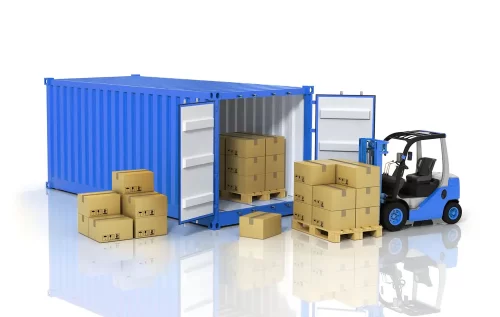
Delivery consolidation involves combining multiple orders destined for nearby locations into a single trip. This reduces the number of trips required and improves operational efficiency.
How It Works:
-
Group multiple orders going to the same neighborhood or district.
-
Schedule deliveries at similar times to maximize route efficiency.
-
Use data analytics to predict high-demand areas and optimize delivery scheduling.
By consolidating deliveries, businesses can reduce labor, fuel, and vehicle wear-and-tear costs without impacting delivery times.
Strategy 4: Use Data Analytics to Predict Demand
Predictive analytics allows businesses to anticipate demand and plan deliveries proactively. By understanding customer ordering patterns, businesses can:
-
Allocate riders and vehicles efficiently.
-
Reduce empty trips and unnecessary deliveries.
-
Optimize inventory placement closer to high-demand areas.
In Dubai, where customer expectations for fast deliveries are high, predictive analytics ensures that resources are used efficiently, minimizing delivery costs without slowing down service.
Strategy 5: Offer Flexible Delivery Options
Flexible delivery options allow businesses to reduce costs while keeping customers satisfied. For example:
-
Scheduled Deliveries: Encourage customers to choose preferred delivery time slots, allowing route optimization.
-
Consolidated Shipping: Offer incentives for customers to select combined delivery for multiple items.
-
Pick-Up Points: Reduce last-mile delivery distance by having customers collect items from nearby lockers or hubs.
These options give businesses more control over deliveries, which can lower expenses and improve efficiency.
Strategy 6: Optimize Packaging
Packaging might seem like a minor factor, but it significantly affects delivery costs. Oversized or heavy packaging increases fuel consumption, storage requirements, and handling time.
Packaging Optimization Tips:
-
Use appropriately sized boxes or envelopes.
-
Minimize weight without compromising product safety.
-
Consider reusable or lightweight packaging solutions.
Optimized packaging reduces both shipping costs and environmental impact while maintaining product integrity.
Strategy 7: Partner with a Reliable Courier Service
Outsourcing deliveries to a professional courier service can save businesses money, especially if the company specializes in urban logistics and bike deliveries. A reliable delivery partner can:
-
Handle last-mile and middle-mile logistics efficiently.
-
Use optimized routes and experienced riders.
-
Offer tracking and reporting tools for better operational control.
-
Scale delivery capacity during peak seasons without adding permanent costs.
By leveraging the expertise of a delivery service provider, businesses can reduce operational overhead while maintaining fast and reliable delivery.
Strategy 8: Invest in Technology Solutions
Modern delivery technology tools are game-changers for reducing delivery costs. Key solutions include:
-
Route Optimization Software: Automatically calculates the most efficient delivery paths.
-
Real-Time GPS Tracking: Monitors delivery progress and allows dynamic rerouting.
-
Inventory Management Tools: Ensures optimal stock placement, reducing unnecessary trips.
-
Delivery Analytics Platforms: Track cost-per-delivery, rider performance, and efficiency metrics.
Investing in technology allows businesses to make data-driven decisions, reducing costs while improving delivery speed and reliability.
Strategy 9: Minimize Failed Deliveries
Failed deliveries, missed appointments, and incorrect addresses are major contributors to high delivery costs. Minimizing these issues ensures efficiency and reduces waste.
Tips to Reduce Failed Deliveries:
-
Verify customer addresses during checkout.
-
Send timely delivery notifications with estimated arrival times.
-
Allow real-time tracking so customers are aware of their delivery status.
-
Offer flexible delivery windows to ensure customer availability.
Fewer failed deliveries mean lower fuel consumption, less labor cost, and faster service, all while keeping customers satisfied.
Strategy 10: Continuous Performance Monitoring
Finally, businesses should continually monitor delivery performance to identify areas for cost reduction. Metrics to track include:
-
Average delivery time
-
Fuel consumption per delivery
-
Cost per trip or per rider
-
Number of successful deliveries vs. failed attempts
-
Customer satisfaction scores
Regularly analyzing this data allows businesses to tweak operations, improve efficiency, and ensure that delivery costs remain optimized without slowing down service.
The Business Impact of Optimized Delivery Costs
Reducing delivery costs without compromising speed doesn’t just save money—it also has long-term business benefits:
-
Increased Customer Satisfaction: Faster, reliable deliveries improve loyalty and repeat purchases.
-
Better Profit Margins: Lower operational costs directly improve profitability.
-
Enhanced Competitiveness: Efficient, affordable delivery services give businesses a competitive edge.
-
Scalability: Optimized delivery processes allow businesses to handle more orders during peak periods without extra costs.
-
Brand Reputation: Customers associate fast and reliable delivery with professionalism, building trust and credibility.
For businesses in Dubai, where urban congestion and high customer expectations are a daily challenge, mastering delivery cost optimization is crucial for sustained growth.
Conclusion
Delivery costs are a major concern for businesses, but they don’t have to compromise speed. By implementing smart strategies such as route optimization, bike deliveries, predictive analytics, delivery consolidation, flexible options, packaging improvements, professional courier partnerships, and technology adoption, businesses can reduce expenses while maintaining fast, reliable service.
In competitive urban markets like Dubai, companies that optimize their deliveries gain a clear advantage—satisfied customers, stronger brand loyalty, and higher profitability. Efficient delivery operations are not just cost-saving measures—they are a strategic investment in business growth.
Reducing delivery costs while ensuring speed is a challenge every modern business can overcome with the right planning, technology, and delivery partners.