
How Hyperlocal Delivery Is Reshaping City Commerce
On-Demand Delivery Services: What Modern Customers Expect Today
January 12, 2026Reverse Logistics: Why It’s Becoming Critical for Modern Businesses
February 2, 2026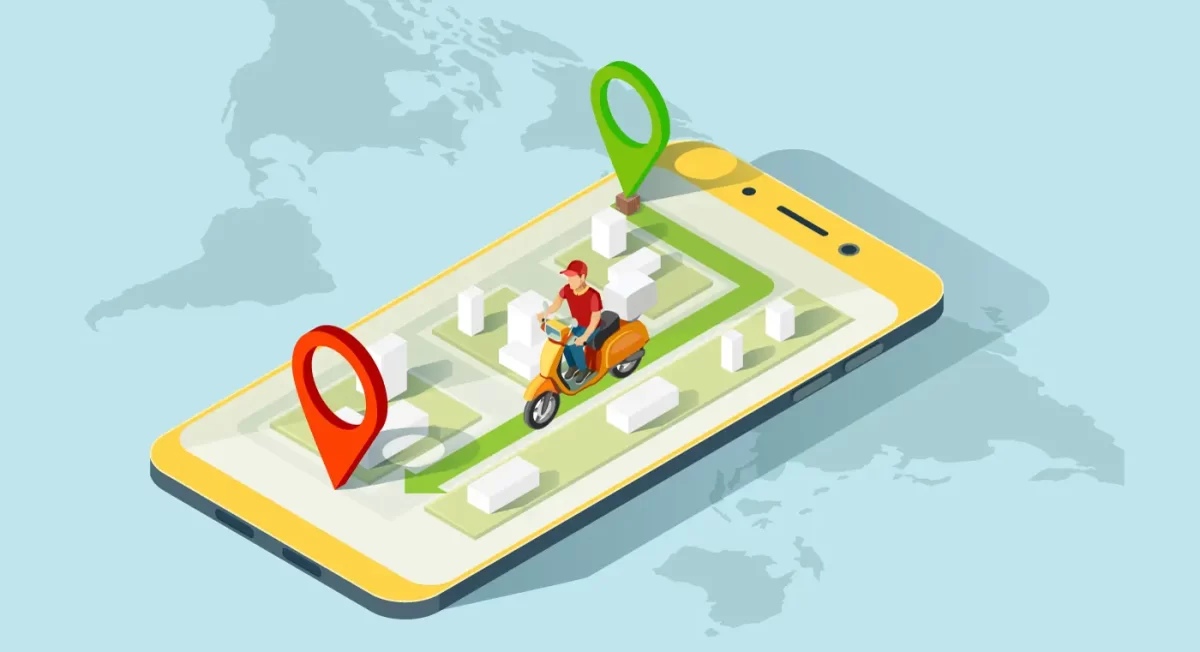
Cities today are evolving faster than ever. With growing populations, digital lifestyles, and rising expectations for convenience, the way goods move within urban areas has undergone a major transformation. At the center of this shift is hyperlocal delivery, a model that focuses on fulfilling customer needs within a very small geographic area, often in record time.
In dynamic cities like Dubai, where speed, efficiency, and customer experience define business success, hyperlocal delivery is no longer a trend—it is becoming the backbone of modern urban commerce. From small local retailers to large eCommerce platforms, businesses are increasingly relying on hyperlocal delivery to stay competitive and relevant.
This article explores what hyperlocal delivery is, why it is gaining momentum, and how it is reshaping city commerce in Dubai and beyond.
Understanding Hyperlocal Delivery
Hyperlocal delivery refers to the transportation of goods over very short distances, typically within a specific neighborhood or district. Unlike traditional logistics models that operate across cities or regions, hyperlocal delivery focuses on quick fulfillment from nearby stores, warehouses, or vendors.
This model allows businesses to deliver products within hours—or sometimes minutes—after an order is placed. In cities, where customers value instant access and convenience, hyperlocal delivery meets expectations that traditional delivery systems often cannot.
Why Hyperlocal Delivery Is Gaining Popularity
Changing Consumer Behavior
Modern consumers are no longer willing to wait days for essential items. They expect fast, reliable service that fits seamlessly into their busy routines. Hyperlocal delivery caters directly to this mindset by minimizing delivery time and maximizing convenience.
In Dubai, where people are accustomed to premium services and fast solutions, hyperlocal delivery aligns perfectly with consumer behavior.
Growth of Local Commerce
Hyperlocal delivery empowers local businesses to compete with larger brands. Neighborhood grocery stores, pharmacies, restaurants, and specialty shops can now reach customers just as efficiently as large online marketplaces.
This has helped revive local commerce, creating a more balanced and diverse retail ecosystem within cities.
Hyperlocal Delivery and City Commerce
City commerce thrives on speed, accessibility, and trust. Hyperlocal delivery strengthens all three pillars.
Faster Transactions
By sourcing products from nearby locations, hyperlocal delivery significantly reduces fulfillment time. Faster transactions mean quicker revenue cycles for businesses and improved satisfaction for customers.
Stronger Customer Relationships
Local delivery creates a personal connection between businesses and customers. People trust brands that deliver quickly, communicate clearly, and understand their local needs.
Reduced Operational Complexity
Shorter delivery routes mean fewer logistical challenges. Businesses can manage inventory better, reduce transportation costs, and operate more efficiently within city limits.
The Role of Hyperlocal Delivery in Dubai’s Urban Economy
Dubai is a city built for speed and innovation. With its advanced infrastructure, high smartphone usage, and digitally active population, it is an ideal environment for hyperlocal delivery models.
Hyperlocal delivery in Dubai supports:
- Retail stores offering same-day fulfillment
- Restaurants and cloud kitchens managing rapid food delivery
- Pharmacies delivering urgent medical supplies
- Convenience stores meeting last-minute customer needs
- Service providers handling documents and small parcels
By keeping deliveries within close proximity, businesses in Dubai can maintain high service standards while controlling costs.
Technology Driving Hyperlocal Delivery
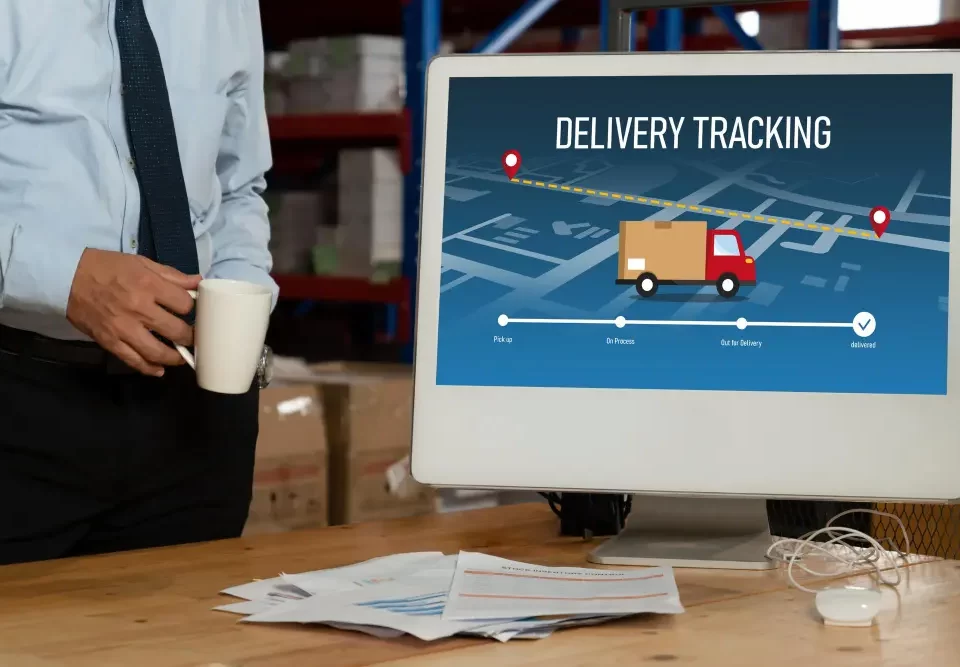
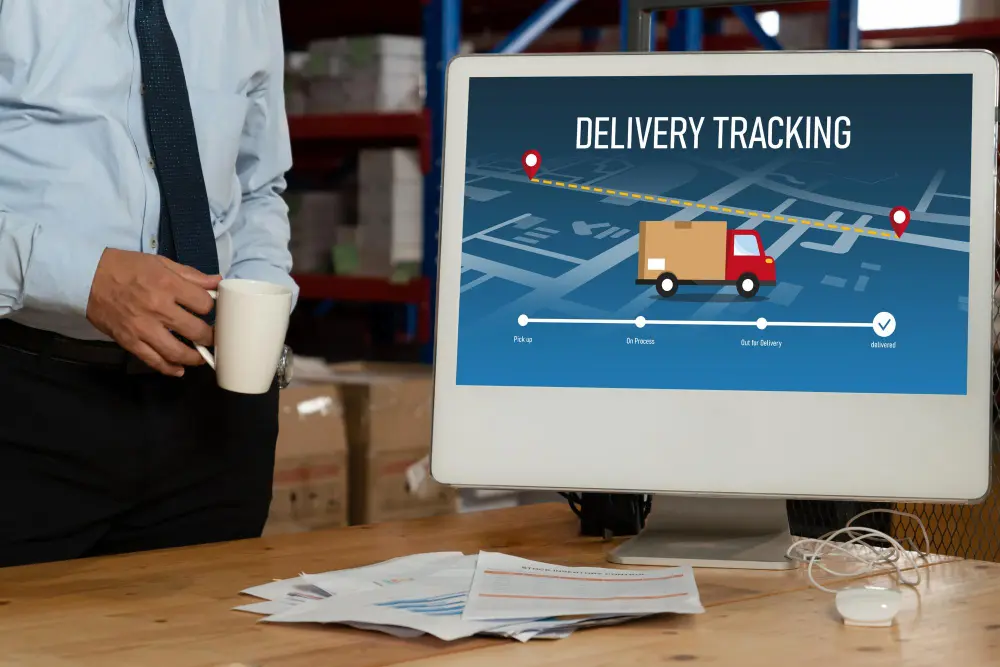
Technology is a key enabler of hyperlocal delivery. Without smart systems, managing rapid, localized deliveries would be nearly impossible.
Some of the technologies supporting hyperlocal delivery include:
- Real-time order management systems
- GPS tracking for accurate routing
- Mobile apps for customer interaction
- Automated dispatch and rider allocation
- Digital payment and confirmation systems
In Dubai’s competitive market, technology ensures that hyperlocal delivery remains fast, transparent, and reliable.
Benefits of Hyperlocal Delivery for Businesses
Improved Customer Satisfaction
Customers appreciate receiving their orders quickly and without complications. Hyperlocal delivery meets these expectations consistently, resulting in positive experiences and repeat business.
Competitive Advantage
Businesses offering hyperlocal delivery gain a strong edge over competitors that rely on slower delivery models. Speed and convenience often influence purchase decisions more than price.
Cost Efficiency
Short-distance deliveries reduce fuel costs, vehicle wear, and delivery time. Businesses can serve more customers in less time, improving overall efficiency.
Better Inventory Management
Hyperlocal delivery allows businesses to operate smaller, localized inventories, reducing storage costs and minimizing waste.
How Hyperlocal Delivery Supports Sustainability
Sustainability is becoming increasingly important in urban planning and business operations. Hyperlocal delivery naturally supports eco-friendly practices.
Shorter routes lead to lower fuel consumption and reduced emissions. Many hyperlocal delivery services also use bikes, electric scooters, or low-emission vehicles, making them ideal for environmentally conscious cities like Dubai.
By adopting hyperlocal delivery, businesses contribute to cleaner air, reduced congestion, and a more sustainable urban ecosystem.
Challenges in Hyperlocal Delivery
Despite its benefits, hyperlocal delivery is not without challenges.
High Customer Expectations
Fast delivery creates high expectations. Even small delays can impact customer satisfaction. Businesses must maintain strong coordination and communication.
Operational Precision
Because deliveries happen quickly, there is little room for error. Inventory accuracy, order processing, and rider coordination must be flawless.
Scalability Concerns
While hyperlocal delivery works well within limited areas, scaling operations across multiple neighborhoods requires careful planning and robust systems.
However, with the right strategy and technology, these challenges can be managed effectively.
Hyperlocal Delivery vs Traditional Delivery Models
Traditional delivery models often focus on bulk shipments and scheduled routes. While they are suitable for long-distance logistics, they lack the speed and flexibility required for urban commerce.
Hyperlocal delivery, on the other hand, prioritizes:
- Immediate fulfillment
- Local sourcing
- Personalized service
- Real-time communication
In city environments like Dubai, hyperlocal delivery is better aligned with modern customer expectations and business needs.
Industries Benefiting Most from Hyperlocal Delivery
Several industries are experiencing significant growth due to hyperlocal delivery:
- Food and beverage
- Grocery and essentials
- Healthcare and pharmacies
- Retail and fashion
- Corporate and professional services
These industries rely on speed and accuracy, making hyperlocal delivery an ideal solution.
The Future of Hyperlocal Delivery in Cities Like Dubai
As cities continue to grow, hyperlocal delivery will play an even greater role in shaping commerce. Future developments may include:
- Greater use of AI for demand prediction
- Integration with smart city infrastructure
- Expansion of micro-fulfillment centers
- Increased use of electric and autonomous vehicles
- More personalized delivery experiences
Dubai’s focus on innovation and sustainability makes it a global leader in adopting advanced hyperlocal delivery models.
Why Businesses Should Invest in Hyperlocal Delivery
Hyperlocal delivery is not just a logistical choice—it is a strategic investment. Businesses that adopt this model position themselves for long-term success by aligning with customer expectations and urban trends.
By offering faster service, reducing costs, and strengthening local presence, local delivery helps businesses grow sustainably in competitive city markets.
Conclusion
Hyperlocal delivery is reshaping city commerce by redefining how goods move within urban environments. In fast-paced cities like Dubai, it has become an essential component of modern business operations.
By enabling faster fulfillment, supporting local commerce, and improving customer satisfaction, hyperlocal delivery is transforming the way businesses connect with their customers. As urban lifestyles continue to evolve, these services will remain a powerful driver of efficiency, sustainability, and growth.